Garden design and build in Battersea
If you are looking for Garden design and build in Battersea, you are likely looking for more than a few plants and a tidy border. You want a garden that suits the way you live, works with the layout of your property, and feels right for a Battersea home or business. Whether you have a compact terrace courtyard, a family garden behind a Victorian or Edwardian property, a modern apartment terrace, or an outdoor space for a café, office, or mixed-use building, the right design-and-build approach can completely change how that space is used every day.
Battersea has a wide mix of homes and commercial properties, from mansion blocks and converted buildings to riverside apartments, townhouses, and ground-floor courtyards. That variety makes every project different. Some gardens need privacy from neighbouring windows. Others need better drainage, more storage, a child-friendly layout, or a calm space for entertaining. In busy local streets, access and parking can also affect how the work is planned, so having a local team who understands the area can save time, reduce disruption, and make the whole process feel much more manageable.
Our approach is practical, creative, and focused on real use. We do not treat a garden as a decorative afterthought. We look at the sunlight, soil, existing levels, drainage, privacy, access, and the way you want to use the space, then shape a design and build plan around those details. If you are ready to request a free quote or simply want to talk through ideas, a local garden design and build service can help you move from concept to finished space with less stress.
Why Battersea gardens need a thoughtful design-and-build approach
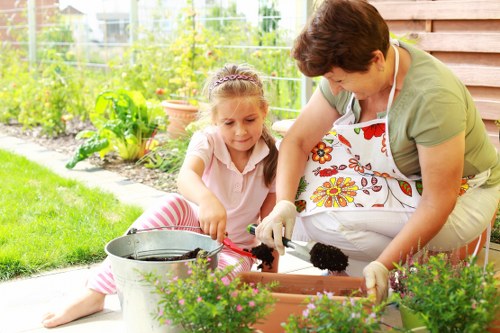
Battersea’s outdoor spaces often come with a few challenges that are easy to underestimate at the start. A narrow side return, uneven ground, overlooked rear garden, or paved yard that never quite feels welcoming can all limit how useful the space becomes. A good design-and-build service looks at the full picture, not just at how the garden will look on day one. It considers maintenance, movement, drainage, privacy, planting conditions, and how the finished space will hold up through the seasons.
Local knowledge matters. In Battersea, the practical reality of the job can be just as important as the design itself. Materials may need to be brought through tight access points. Waste removal may require careful planning. Some streets are easier to work on than others because of parking limits, loading restrictions, or shared access. A team that works locally is more likely to plan for these issues from the outset, which helps the project run more smoothly.
There is also the style of the neighbourhood to consider. Battersea includes everything from classic period properties to contemporary developments, and the garden should suit the building as well as the people who use it. A well-designed outdoor space can feel like a natural extension of the home, adding comfort, usability, and visual appeal without feeling overdesigned or out of place.
What a garden design and build service includes
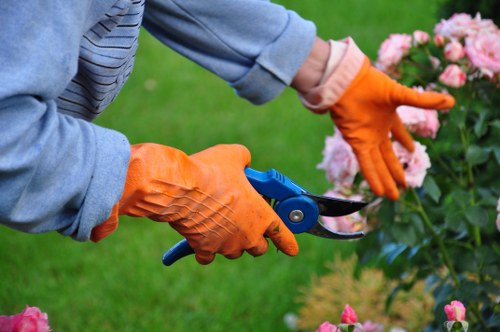
A full garden design and build service normally brings together the planning, construction, finishing, and planting needed to transform an outdoor area. Instead of hiring several separate trades and trying to coordinate them yourself, you have one team working toward one clear plan. That can make a big difference to the pace, consistency, and overall result.
Depending on the project, the service may include site assessment, concept design, material selection, groundwork, hard landscaping, soft landscaping, planting, lighting, and finishing details. For Battersea customers, it often also includes practical problem-solving around access, neighbours, drainage, and making the most of limited outdoor footprints.
Typical elements can include:
- Garden layout and spatial planning
- Patios, terraces, and paving
- Decking and seating areas
- Raised beds and planters
- Fencing, screening, and privacy features
- Turfing or artificial lawn installation
- Planting schemes for sun, shade, or mixed conditions
- Lighting and functional outdoor features
- Drainage improvements where needed
- Paths, steps, and access improvements
Designing for Battersea property types

One of the main strengths of a local garden design and build team is the ability to adapt to the property type. A Battersea garden behind a Victorian terrace often needs a different layout from a balcony-adjacent courtyard or a commercial rear yard. A mature garden may need careful reshaping without losing its character, while a blank outdoor space may need a full plan from the ground up.
Smaller gardens often benefit from clear zoning. That might mean separating dining, planting, and storage so the area feels organised rather than cramped. In a larger family garden, the focus may shift to flexible open space, child-friendly planting, better drainage, and enough seating for entertaining. For commercial clients, the priorities may be durability, low maintenance, and a polished appearance that suits staff and visitors.
Because Battersea is so mixed, a one-size-fits-all solution rarely works. The best gardens usually feel tailored to the site. That might mean using slimmer materials to preserve space, choosing reflective finishes to brighten shade, introducing vertical planting to soften walls, or planning levels carefully to deal with sloping plots and awkward boundaries.
How the process works

A clear process helps the project feel straightforward from the beginning. While every garden is different, a reliable design and build project usually follows a sequence that keeps decisions manageable and the work well organised.
1. Initial discussion and site visit
We begin by understanding how you want to use the garden, what is not working now, and what matters most to you. This is the stage where practical issues such as access, privacy, drainage, and light are identified.
2. Design development
Once the brief is clear, the layout and features can be planned. This may involve concept ideas, sketches, material choices, and planting direction. The goal is to create a scheme that feels realistic, attractive, and suited to your property.
3. Preparation and build
With the design agreed, the build phase begins. This may include clearing the site, handling waste, preparing levels, installing structures, constructing surfaces, and setting up the essential infrastructure before the final finishes go in.
4. Planting and finishing touches
The last stage brings the space to life. Planting, edging, lighting, and detailing all play a major role in the final impression. A good finish ensures the garden does not just look impressive on completion, but also settles in well over time.
What makes a Battersea garden successful

A successful garden in Battersea is usually one that matches the way the property is used every day. It may need to host family meals, create a calm retreat from the street, provide a secure play area, or support outdoor working and entertaining. The right design balances beauty with practicality so that it is enjoyable to use, not just to look at.
Privacy is a common priority. Rear gardens in Battersea can be closely overlooked, especially in areas with terraced housing or upper-floor windows nearby. Screening can be created through planting, trellis, fencing, pergolas, and careful layout. The aim is not to shut the space off completely, but to make it feel comfortable and usable.
Drainage is another important consideration. Some older gardens have paving that holds water, uneven surfaces, or soil conditions that make planting tricky. Improving levels and choosing suitable materials can reduce puddling and help the garden remain functional in wet weather. That is especially useful when you want a patio or terrace to be usable throughout the year.
Hard landscaping and soft landscaping in balance
Good garden design and build work is about balance. Hard landscaping gives the structure: patios, paths, steps, walls, edging, and raised features. Soft landscaping gives the life: planting, trees, turf, and seasonal texture. In Battersea, where outdoor space is often limited, the relationship between these two elements matters even more because every square metre has to work hard.
A garden that is too hard can feel stark and hot in summer, while one that is too planted without enough structure may be difficult to use or maintain. The best results often come from combining both in a way that reflects your routine. For example, a family garden may use a durable paved area for dining, with layered planting around the edges to soften boundaries. A compact courtyard may benefit from sleek paving, pots, climbers, and a few carefully chosen feature plants.
Materials also matter. Their colour, texture, and finish can change the atmosphere of the whole space. Lighter surfaces can help smaller Battersea gardens feel bigger and brighter, while richer tones may suit traditional homes or create a more intimate mood. Natural stone, porcelain paving, timber, gravel, brick detailing, and composite materials all have different strengths, and the right choice depends on style, budget, and use.
Planting that suits local conditions
Planting should be chosen for more than appearance alone. Battersea gardens may be shaded by neighbouring buildings, sheltered from wind, or exposed to strong sun depending on orientation and surrounding structures. Planting that suits those conditions is more likely to thrive and less likely to demand constant replacement.
- For shaded gardens, ferns, evergreen structure plants, and shade-tolerant perennials can create depth and softness.
- For sunnier spaces, drought-tolerant planting, ornamental grasses, and flowering species can bring colour and movement.
- For low-maintenance schemes, evergreen forms and layered planting can provide year-round interest with less upkeep.
- For family-friendly spaces, robust planting that can cope with play and everyday use is often the best choice.
Planting also helps define the mood. It can make a small garden feel calming, a modern terrace feel softer, or a formal outside space feel more welcoming. In a Battersea setting, where outside space often acts as a private retreat from urban life, the right planting scheme makes a significant difference.
Benefits for homeowners, landlords, and businesses
Garden design and build services are not only for homeowners wanting a prettier garden. In Battersea, landlords, property managers, offices, restaurants, and other businesses also need outdoor spaces that work well and present a good impression. A professionally planned garden can support day-to-day use, reduce maintenance stress, and make the property feel more considered and valuable.
For homeowners, the main benefits may include better use of the space, a more attractive setting for entertaining, improved privacy, and a garden that suits lifestyle needs. For landlords, the focus may be on tidy, durable, easy-care finishes that help keep the property appealing. For commercial clients, the emphasis is often on efficiency, safety, visual quality, and making sure the outdoor space aligns with the business environment.
In all cases, it helps to work with a local team that understands the realities of Battersea properties. Narrow access, busy roads, close neighbours, and mixed-use surroundings all affect how a project is planned and delivered. A team with local experience can anticipate these details rather than treating them as surprises.
What to prepare before you request a quote
If you are considering a new garden or a full transformation, a little preparation can help you get more from the first conversation. You do not need a finished plan before speaking to a designer or builder, but it helps to think about a few core points.
- What do you want the garden to do? Dining, play, relaxation, planting, entertaining, storage, or all of these?
- What do you dislike about the current space? Too dark, too wet, not private enough, awkward layout, or hard to maintain?
- How much maintenance are you comfortable with?
- Do you prefer a modern, classic, natural, or formal style?
- Are there any access issues, pets, shared boundaries, or neighbour considerations?
- Do you already have ideas for paving, planting, or features, or would you like help shaping them?
Even a rough answer to these questions can make the design process more focused. It also helps the team understand whether the project is likely to be a light refresh, a partial rebuild, or a full garden redesign and construction project.
Pricing factors that affect a Battersea garden project
Every project is different, so it is better to think in terms of pricing factors rather than fixed assumptions. The overall cost will depend on the size of the garden, the condition of the existing space, the level of structural work needed, the materials chosen, and how complex the layout is.
Some of the main factors include:
- Site size and current condition
- Groundworks, clearance, and waste removal requirements
- Whether levels need adjusting or retaining features are required
- The type and quality of paving, timber, fencing, or other materials
- Planting volume and whether mature plants or trees are needed
- Access limitations and the effect on labour or delivery logistics
- Lighting, irrigation, and other integrated features
- How much custom carpentry or built-in detailing is involved
A clear quote should explain what is included and how the work will be approached. If you are comparing options, it is worth looking beyond the headline figure and checking whether the proposal reflects the actual scope of the work. A well-planned project often saves time, hassle, and avoidable changes later on.
Why choose a local company for garden design and build in Battersea
There is real value in choosing a local team rather than someone unfamiliar with the area. Battersea has its own rhythm, property styles, and access challenges, and those factors directly affect how a project is carried out. A local company is more likely to know which streets are awkward for loading, how to plan around limited parking, and what types of materials and layouts work well in the surrounding housing stock.
Local service also makes communication easier. If you need to discuss a detail, review a change, or check how the garden is progressing, it helps when the team is nearby and responsive. That kind of proximity can improve coordination and reduce delays, especially on projects where weather, deliveries, and sequencing all matter.
Another advantage is practical continuity. A local firm is often better placed to offer aftercare, seasonal advice, or follow-up work where needed. That matters because gardens evolve. Newly planted schemes settle, surfaces need occasional care, and outdoor spaces sometimes need small adjustments once you start using them regularly.
Nearby areas and surrounding locations covered
Garden design and build work in Battersea often overlaps with nearby parts of south-west London. Projects may also be relevant for customers in surrounding local areas such as Clapham, Wandsworth, Chelsea, Nine Elms, Pimlico, Westminster, Balham, and South Kensington, depending on the nature of the service and the property type. This matters because many local outdoor spaces face similar issues: compact footprints, privacy concerns, older boundaries, mixed light conditions, and the need to make the most of valuable urban space.
Whether the garden is attached to a family home, a flat with a private terrace, a shared courtyard, or a commercial premises, the same principles apply: sensible planning, durable materials, suitable planting, and a finish that feels right for the location. Battersea customers often want a space that looks good on day one and still feels easy to live with months and years later.
Common types of projects in Battersea
Because the area contains so many property types, the work can vary widely. Some clients want a complete overhaul, while others need specific improvements that make the garden easier to use. A design and build service can be scaled to fit the brief.
- Courtyard transformations for compact spaces that need clever layout and low-maintenance planting
- Family garden redesigns with open space, seating, and child-friendly features
- Terrace and patio upgrades that improve flow, durability, and visual appeal
- Privacy-led redesigns using fencing, screens, planting, and layout changes
- Commercial outdoor area improvements for offices, hospitality spaces, and mixed-use properties
- Front garden enhancements where kerb appeal, access, and layout matter
- Low-maintenance makeovers for busy homeowners and landlords
Every project should begin with the question: how should this space work? Once that is clear, the build can be tailored around it. That approach leads to outdoor spaces that feel purposeful rather than generic.
Frequently asked questions
How long does a garden design and build project take?
Timeframes vary depending on size, complexity, weather, access, and the amount of structural work required. A small courtyard refresh may move faster than a full redesign with groundworks, paving, planting, and custom features. The best way to understand timing is to discuss the scope at the start so the schedule can be planned realistically.
Can you work with small Battersea gardens?
Yes. Small gardens often benefit the most from professional planning because every inch matters. Careful layout, built-in storage, vertical planting, and well-chosen materials can make a compact Battersea space feel larger and more usable.
Do I need a full redesign, or can you improve part of the garden?
It depends on the current condition and your goals. Some clients want a full redesign, while others only need a new patio, better planting, improved drainage, or screening. A local design-and-build team can assess whether a partial upgrade or a full transformation makes more sense.
What if access is difficult?
Difficult access is common in Battersea, especially with terraced properties and tight side returns. It can affect how materials are delivered, stored, and moved through the site. That is why local planning matters so much. The build method can often be adapted to suit the access available.
Can you help make the garden lower maintenance?
Yes. Low-maintenance design is a common request. The right combination of paving, planting, edging, and layout choices can reduce upkeep while still keeping the space attractive and practical.
Do you work on commercial outdoor areas as well as homes?
Yes, garden design and build services are often relevant for commercial and mixed-use settings too. The priorities may be durability, safety, access, and appearance rather than purely domestic comfort, but the same attention to layout and finish still applies.
Why now is a good time to plan your project
If your garden is not working the way you want, there is rarely a better time than now to start planning changes. Outdoor spaces are easier to enjoy when they are designed around daily use, not left to chance. A well-planned garden can support family life, entertaining, quiet relaxation, and even business use, depending on the site.
For Battersea customers, the value of a good garden can be especially clear because outdoor space is often limited and highly prized. When a garden is designed properly, it can feel bigger, brighter, and more connected to the property. It can also reduce the frustration of patches that stay wet, awkward corners that go unused, or boundary issues that affect privacy.
If you are ready to take the next step, contact us today to talk through your ideas, practical concerns, and project goals. Whether you want a full redesign or a carefully planned improvement, professional garden design and build in Battersea can help turn a difficult outdoor area into a space that genuinely works for you.
Book your service now if you want a garden that feels considered, usable, and suited to your Battersea property. The sooner the layout is planned properly, the sooner your outdoor space can start working the way it should.